A Practical Look at the Bella Canvas 3001 Back Mockup
When you're evaluating a design asset for actual embroidery work, the first question isn't about file format or resolution—it's about the story it tells and the practical challenges it presents. This review of the Back Natural Bella Canvas 3001 Mockup 32 comes from that perspective: how does this graphic hold up when translated from a digital preview into stitches on fabric? I'm thinking about client projects, handmade products for my small shop, and personalized gifts that need to look polished and feel durable.
The First Impression: Clean Canvas for Statement Stitching
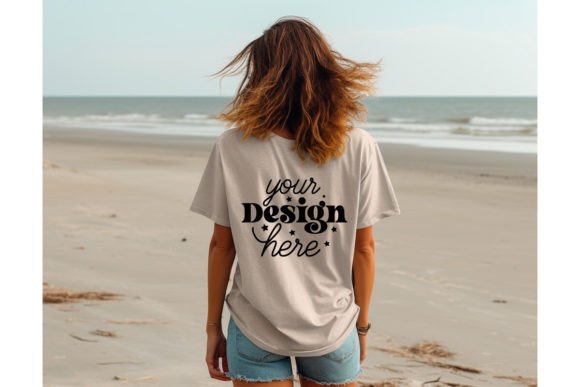
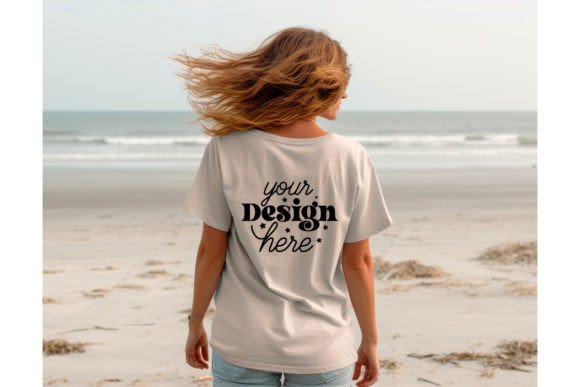
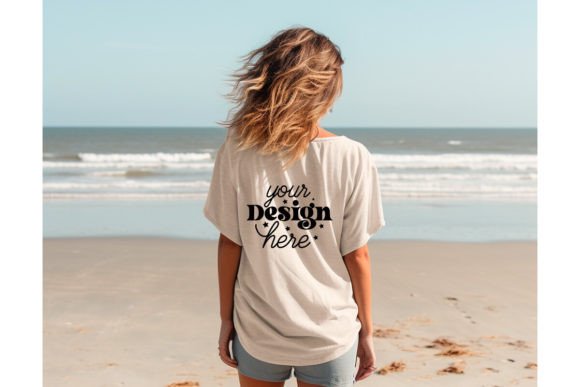
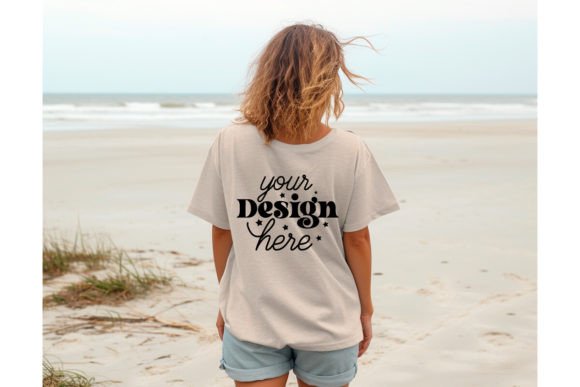
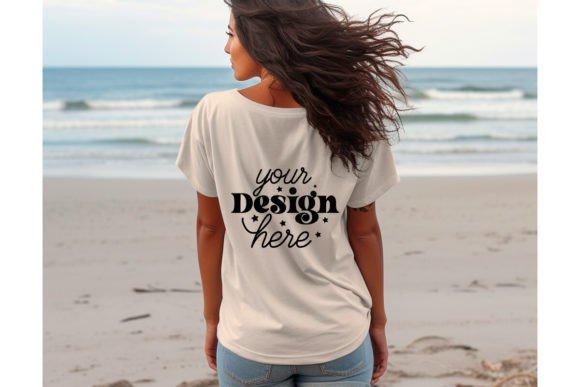
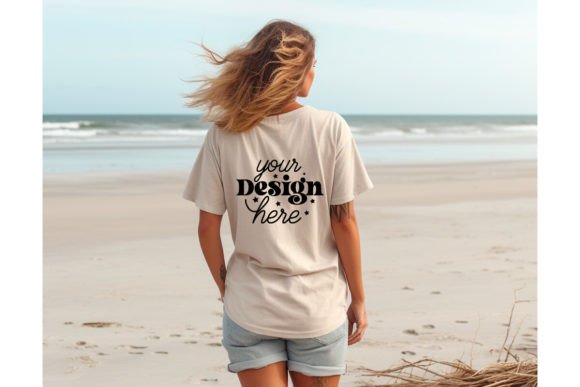
The mockup presents a straightforward, blank t-shirt back. It's not a busy template with distracting patterns or awkward shadows. This simplicity is its greatest strength. As an embroidery designer, my immediate thought is that this is a canvas built for a statement piece. The mood it creates is professional and versatile. It feels like a blank page waiting for a central, impactful embroidery design—a large floral motif, a bold logo for a boutique, or a detailed scene for a personalized gift. Its layout naturally directs attention to the primary stitching area, making it ideal for projects where the embroidery itself is the hero.
Where This Mockup Excels in Real Projects
Let’s walk through a real scenario. Imagine you’re preparing a custom embroidered sweatshirt for a holiday gift. You have a beautiful, intricate snowflake machine embroidery design. Using this Bella Canvas mockup as your digital preview allows you to visualize exactly how that design will sit on the garment’s back, assessing scale and placement before you ever hooped the fabric. It builds customer trust because the preview looks exactly like the final finished product will.
This utility extends far beyond t-shirts. For craft business owners and Etsy sellers, this graphic is a powerhouse for creating consistent, professional listings. It works seamlessly for:
- Tote bag design mockups, where a large back area is similar to a shirt.
- Previewing sweatshirt embroidery for small shop merchandise.
- Baby embroidery on larger onesies or toddler shirts.
- Creating mockups for embroidered patches applied to a garment back.
- Digital product previews for selling your own embroidery files.
The high-resolution blank image means you can add your design cleanly, resulting in a preview that feels authentic, not generic. This directly boosts visual appeal and buyer engagement in online shops.
Caution Areas: Consider the Fabric Beyond the Mockup
While the mockup itself is a clean graphic, your practical judgment must shift to the real fabric. The Bella Canvas 3001 is a specific shirt. A mockup like this is invaluable, but it doesn’t replace hands-on knowledge of the actual material. For embroidery projects on this or similar garments, you need to think carefully about:
- Stitch density: A very dense fill stitch design might perform differently on this cotton blend than on a thicker sweatshirt material.
- Fabric texture: Ensure you use the proper stabilizer to prevent puckering on a smooth, knit fabric.
- Dark fabric versions: If you're using a colored shirt, thread color contrast is crucial. The mockup shows a natural color, but test your design on a dark background digitally first.
The mockup helps you visualize, but your embroidery machine settings and material choices will determine the final quality.
Turning a Digital Asset into a Tangible Product
How does using this specific mockup affect the final product's value? For a personalized gift or custom apparel, it allows for precise planning. You can see if a design with tiny lettering might get lost on the broad back, or if a large applique design would feel balanced. This planning leads to a superior handmade presentation, increasing the perceived value and giftability. For commercial embroidery, it ensures brand consistency across promotional items or team uniforms.
Essential Designer Notes Before You Stitch
Before you commit to a final project based on this preview, follow these practical steps. They bridge the gap between the digital asset and the physical stitch.
- Always test the actual embroidery file on scrap fabric of the same type first. The mockup is for layout; the stitch-out is for performance.
- Check your thread palette against both light and dark fabric backgrounds, even if the mockup is natural. Some colors pop differently.
- Review the scale. Does your design require a specific hoop size? Confirm the physical garment can accommodate that hoop placement.
- Inspect small details like delicate satin stitch borders or running stitch accents. Will they remain clear on the final fabric texture?
- Use the mockup to create both a color and a black-and-white preview. This helps assess form and contrast.
- Crucially, confirm the licensing for your end use. Are you selling the finished embroidered item? Are you using the mockup to sell a digital product? Ensure your usage is covered.
The Back Natural Bella Canvas 3001 Mockup 32 is a tool for confidence. It removes the guesswork from placement and scaling, allowing you to focus on the craftsmanship of the embroidery itself. For embroidery designers, small business owners, and makers, that confidence translates directly into professional results, happy customers, and products that look exactly as promised.