Bloom Where You Are Planted: An Embroidery Designer's Review
Whenever I get a new embroidery design, my first thought is practical: how will this actually stitch out? How will it feel as a finished product? When I downloaded the Bloom Where You Are Planted design, I wasn’t just looking at a graphic; I was evaluating it as a potential asset for my projects and for the crafters and small business owners I advise. This isn’t about hype; it’s about real-world application.
First Impression: A Design That Speaks Quietly
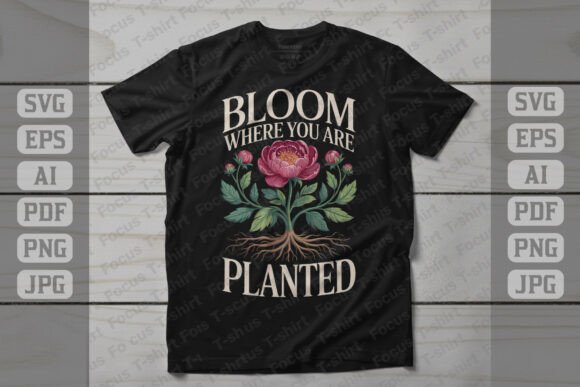
The mood here is calm and grounded. The botanical typography isn’t shouty or overly decorative. It feels like a gentle reminder, wrapped in nature. The layout suggests a balanced, centered application, which is a gift for placement. The detail level in the illustrative elements strikes me as thoughtful—not so dense that it becomes a stitch monster, but with enough character to give it visual personality. This isn’t a loud, graphic punch; it’s a soft, confident statement. It naturally belongs to projects meant for comfort, reflection, or a personal touch.
The Perfect Project Match: From Totes to Tea Towels
I immediately pictured this on a custom embroidered tote bag. The saying fits the item’s purpose—carrying your world—and the botanical theme adds an organic, handmade feel that elevates a simple bag into a boutique product. For a client project, like a personalized gift for a gardener, it’s ideal. But its versatility is its real strength.
On a heavyweight sweatshirt, it would become a wearable mantra, the typography sitting nicely across the chest or back. As a baby embroidery item, perhaps on a blanket or a little robe, it carries a sweet, hopeful message for nursery decor. Consider it for an apron or a kitchen towel; the theme connects perfectly to the domestic, nurturing space. As an embroidered patch, it could be applied to a cap or a backpack, offering that same grounded vibe. For pillow covers, tea towels, or as a holiday gift for a plant-loving friend, its appeal is direct and sincere. This design translates beautifully into small business merchandise, Etsy listings, and craft fair products because it feels authentic, not mass-produced.
Navigating the Stitch: Practical Performance Notes
In real-life embroidery situations, the clarity of the lettering is paramount. The phrase "Bloom Where You Are Planted" needs to stitch with clean definition, especially on textured fabrics like a sweater or a tote. The botanical elements, likely using fill stitch and satin stitch areas, will need proper stabilizer to look crisp, particularly on stretchy fabric or thin fabric like a standard t-shirt. This is a graphics-driven design, so its success hinges on stitch density being managed well to avoid puckering.
I’d be cautious using it on very small hoop sizes. Tiny lettering can lose definition if the scale is too reduced. On dark fabric, thread color contrast becomes critical—you’d want to test a few palettes to ensure the mood remains gentle but readable. On curved surfaces like caps, the centered layout should work, but I’d always test on scrap fabric first to check how the details behave on that shape.
Where This Design Requires Extra Care
Careful application is needed for products that need frequent washing, like baby clothes or kitchen linens. Dense stitch areas, if any, can wear differently. The design's decorative accents should be inspected in a test run to ensure they don’t have overly detailed corners that might stitch poorly on a softer base. Always, always run this embroidery file in a black and white mockup to check pure contrast, and compare it on both light and dark fabric backgrounds digitally before hooping your actual project. This step saves thread, time, and disappointment.
Adding Value: Beyond the Stitches
How does this design affect the final product? It boosts visual appeal through thematic cohesion—it’s not a random graphic. This stitching clarity, if achieved, builds customer trust in the quality of your handmade product. For a small shop product, it supports brand consistency if your niche is nature-inspired, mindful, or home-centric. Its giftability is high; it feels personal and considered.
For an Etsy seller or a digital product seller offering the finished item, it has strong recognition—the phrase is known and loved. Professionally stitched, it elevates the presentation from a simple appliqué to a composed piece of art. This engagement matters. When a buyer sees this on a tote bag design or a sweatshirt embroidery, they’re connecting with the message, not just the object. That’s the magic of a well-chosen embroidery design.
Essential Designer Checklist Before You Hoop
Before you run this machine embroidery design for a client order or your own craft business inventory, here’s my practical list:
- Test the design on scrap fabric of the same type you plan to use (e.g., cotton canvas for a tote, jersey for a t-shirt).
- Check thread color contrast against your final fabric. Don’t assume the default palette.
- Review the stitch density in your software preview. Is it appropriate for your fabric weight?
- Confirm the minimum and maximum hoop size you can comfortably use for this design.
- Inspect the small details, especially in the botanical elements, to ensure they’ll survive the stitch process.
- Use the proper stabilizer for your fabric—this is non-negotiable for clarity.
- Check whether the design’s licensing permits use for commercial embroidery projects and selling finished products. Never assume.
- Remember, this is a graphics product. Its success as an embroidery project depends on your preparation.
Whether you’re creating a personalized gift, custom apparel for your small shop, or a holiday embroidery piece, the Bloom Where You Are Planted design offers a solid, thematic foundation. It’s not a flashy stunt; it’s a reliable, mood-setting asset. When you stitch it with care, it blooms exactly where you put it—on a finished product that carries real meaning.