Evaluating the Adventure Calling SVG for T-Shirt Graphics
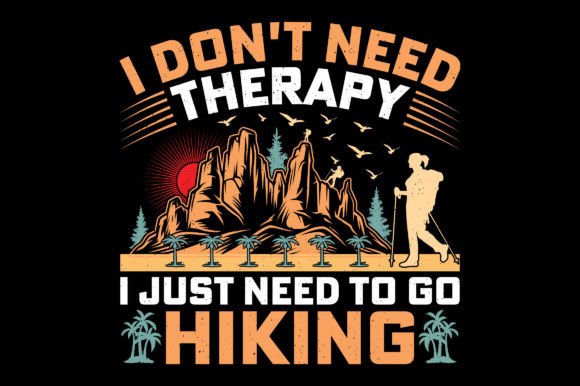
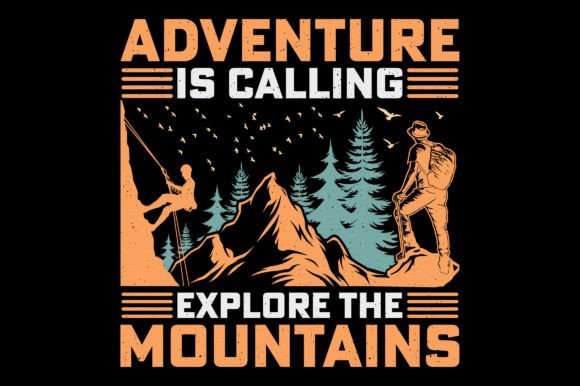
When a new digital product like the Adventure is Calling Hiking T-Shirt SVG arrives in my shop folder, my first step is always a practical evaluation. I'm not just looking at art; I'm assessing a commercial asset. This particular design presents a classic retro adventure theme, with a style that feels intentionally rustic and vintage. It carries a mood of exploration and outdoorsmanship, which has strong niche appeal for customers interested in hiking, camping, or travel.
The visual personality leans toward the handmade and decorative, evoking a sense of nostalgic adventure. This isn't a sleek, modern minimalist graphic; it's a design with character, aimed at audiences who value a touch of rustic charm in their apparel or decor. For my shop, this means it could attract buyers looking for themed merchandise for a lifestyle brand, a gift shop, or personal craft projects.
Real-World Use Cases for a Seller's Inventory
From a seller's perspective, a single graphic design asset like this is a starting point for multiple products. The core file is described as a high-quality, scalable vector (EPS) at 2000x2000 pixels, suitable for Adobe Illustrator. This foundation is crucial. Before I even draft a listing, I test its adaptability across my common product formats.
My immediate application is, of course, t-shirt graphics for print-on-demand platforms or my own sublimation setup. But I also preview it as a PNG for printable wall art, considering its suitability for framed prints or digital downloads. The adventure theme could extend seamlessly to mug designs, tote bag prints, and even tumbler wraps. For crafters, this SVG becomes a resource for Cricut projects, potentially for creating planner stickers, scrapbooking elements, or greeting cards with a travel motif.
I also consider its role in digital bundles. Could this Adventure is Calling Hiking T-Shirt SVG anchor a small collection of outdoor-themed clipart? Could it be integrated into a Canva template for bloggers or social media content creators needing nature-inspired graphics? Its commercial license allows for these expansions, making it a versatile tool for building themed product lines or enhancing brand identity for a small business focused on the outdoors.
Product Presentation and Marketplace Appeal
How a design performs in a marketplace listing is a separate test. Using this asset for product presentation requires careful thought. For mockup previews, I place it on clean t-shirt mockups to gauge its thumbnail appeal. Does the retro style remain clear and attractive when scaled down in an Etsy or Creative Fabrica search grid? I check how it looks on both white and dark background mockups to ensure contrast isn't lost.
A strong design can aid in visual storytelling, increasing perceived value and click-through potential. This adventure theme could help build a cohesive seasonal collection, perhaps for spring or summer launches. For branding, consistent use across social media graphics, packaging design elements, and promotional visuals can build customer trust. However, its decorative nature means I must avoid using it in overly complex layouts where the main motif might get lost.
Where This SVG Asset Works Best
This graphic excels in applications where its rustic charm and clear theme can shine. It's ideal for large product previews on merchandise like t-shirts and mugs. It fits perfectly into themed bundles for outdoor enthusiasts. It works well as a focal point in decorative layouts for printable products like wall art. Its style is also effective for digital marketplace listings where the niche is clearly defined, such as in creative marketplaces catering to the handmade or lifestyle sectors.
Potential Limitations and Seller Checks
Every asset has areas for careful application. Given its likely intricate vintage details, I would be cautious using it for tiny sticker details where fine lines might not cut cleanly on a Cricut or Silhouette project. I would avoid placing it in crowded thumbnails or text-heavy templates where the design could become visually busy. A critical pre-publishing step is to verify the PNG transparency and inspect the SVG cut lines in my design software to ensure no hidden issues exist for craft users.
The resolution described—2000px—is good for many print products, but I would still test a print sample for color output, especially if the retro style uses specific color palettes. Organization is key; I would ensure my files for customers are clearly labeled, as the original description notes it includes one EPS file.
Practical Steps Before Listing
My final preparation involves a series of practical validations. First, I confirm the commercial license terms. Then, I pair the design with different font styles in mockups to see what complements it best. Does a sturdy sans serif font enhance the adventurous feel? Or does a classic serif font amplify the vintage look? This helps me create more complete product offerings.
I test the design on several real-world mockups: not just t-shirts, but also totes, mugs, and a simple wall art frame. I preview it as a marketplace thumbnail to simulate a customer's first impression. Crucially, I assess its versatility: can it be adapted slightly with color changes or minimal additions to fit a sub-niche, like mountain biking or national park travel? This evaluation confirms whether the Adventure is Calling Hiking T-Shirt SVG is a standalone product or a core asset for a broader collection.
Ultimately, reviewing a digital product like this is about gauging its utility in a commercial ecosystem. It's not about whether the design is beautiful—it often is—but about how reliably it translates into sellable products, enhances my shop's professionalism, and meets a clear audience need. This retro adventure SVG, with its specific mood and scalable quality, shows promise for sellers targeting the outdoors niche, provided those practical tests confirm its technical robustness and visual adaptability across formats.