Evaluating the 'Monster on Grey T-Shirt' Design for Real Embroidery Work
The Monster's Charm: First Impressions for Stitched Projects
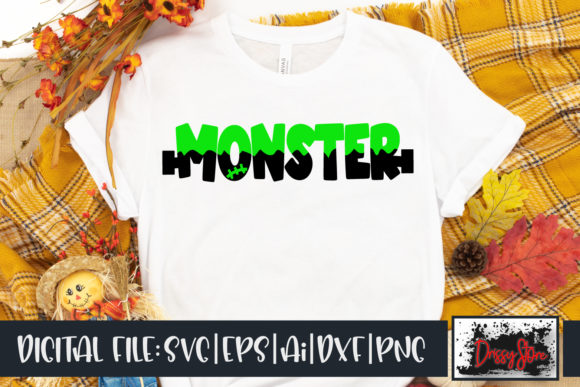
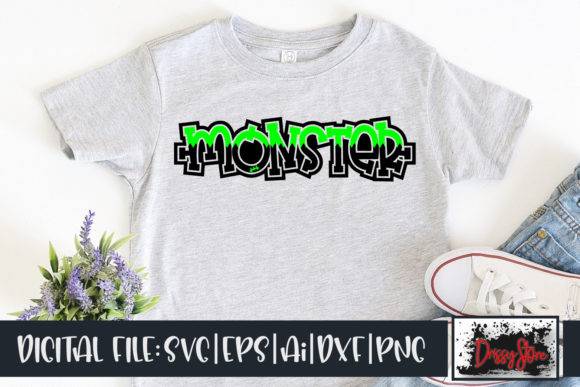
When I first opened the Monster on Grey T-Shirt graphics file, I wasn't looking at pixels; I was imagining stitches. My immediate thought was, "This character has a playful, slightly mischievous personality that would translate beautifully into thread." The illustration isn’t overly aggressive or scary—it’s more of a friendly gremlin, perfect for projects where you want a touch of whimsy without being too childish. The design’s layout is clear and centered, with a level of detail that suggests it will hold up well as an embroidery design. It feels like it naturally belongs on something soft and casual: a cozy sweatshirt, a sturdy tote bag, or even a well-loved pillow cover for a quirky nursery.
Where This Monster Finds Its Home: Ideal Embroidery Applications
Let’s talk real-life use. I’m picturing a custom order for a boutique: a client wants a unique embroidered patch for their teenager’s backpack. This monster design is a prime candidate. Its bold, graphic shapes mean it won’t get lost in the texture of the bag. Similarly, for small shop product like a holiday gift—think a cozy, embroidered throw blanket for a fantasy-loving friend—this illustration provides a strong, recognizable centerpiece that feels handmade and personal.
For custom apparel, it shines. On a grey t-shirt (as the name suggests), using contrasting thread colors would make it pop. On a baby’s romper, scaled down appropriately, it becomes a cute and unique motif far from generic store-bought prints. For Etsy sellers creating a line of kitchen towel designs, this monster could be a fun, unexpected accent on a linen towel, appealing to a niche audience. The key is its versatility as a digital embroidery file; it’s a single, strong graphic asset you can adapt across many products.
Practical Performance on Fabric
In embroidery project execution, the design’s success hinges on its clarity. The shapes are well-defined, which is excellent for stitch clarity. You won’t be fighting with tiny, ambiguous lines. This means cleaner satin stitch borders and more manageable fill stitch areas for the monster’s body, leading to a professional-looking finished product. For a craft business, this reliability builds customer trust—the item looks intentional and well-made, not haphazard. On a personalized gift like an apron, the design’s friendly vibe enhances the giftability; it feels special and thoughtfully chosen.
Caution Zones: Where to Proceed with Care
Even with a strong design like this, an experienced designer knows to consider the limits. The level of detail, while good, means you should be cautious on very small hoop sizes. Trying to cram this onto a tiny area on a cap or the curved surface of a hat might compress some of its personality. Always test the design on scrap fabric first, especially if you’re using a textured fabric like a sweater knit or a thin fabric like a lightweight tee. Proper stabilizer is non-negotiable here to prevent puckering.
For dark fabric backgrounds, you’ll need to carefully plan your thread color contrast. The "grey t-shirt" in the title hints at a mid-tone background, but on black fabric, you might need to introduce a bright outline or use lighter fills to maintain visibility. Also, consider stitch density for products that need frequent washing, like tea towels or kids' clothes. A very dense fill stitch area could become stiff; adjusting the stitch type might be necessary for longevity.
The Professional Impact: From Stitches to Sales
Using a well-executed graphic like Monster on Grey T-Shirt affects your work on multiple levels. For apparel decorators and creative entrepreneurs, it elevates the visual appeal of your handmade product. A clean, charming embroidered monster on a tote bag immediately looks more valuable than a generic printed one. This boosts brand consistency if you cultivate a line of quirky, character-based items. For your digital product sellers, using this as a printable mockup for your listings shows the design’s potential clearly, increasing buyer engagement.
Before committing to a commercial embroidery run for, say, a series of pillow covers for a craft fair, I always advise: check whether the design works for both personal and commercial projects. The product description states it’s a digital file for cutting or printing, but the licensing for selling the physical items you make with it is crucial. Confirm licensing before selling finished items. Furthermore, test it in black and white mockups to see how it reads without color, and compare light and dark fabric backgrounds in your software to pre-visualize thread choices.
Final Designer Notes Before You Hoop
My process with any new design asset like this involves a practical checklist. For the Monster on Grey T-Shirt:
- Inspect small details in your embroidery software. Are there any corners or spots that might become thread traps?
- Plan your color palette. Does the "grey" background imply a specific thread scheme? Maybe not, so choose colors that enhance its friendly mischief.
- Consider the product’s end-use. Is it for a baby embroidery item where softness is key? Maybe opt for less dense fill stitches.
- Think about scale. This illustration might lose impact if reduced too much for a small embroidered patch, or it could become overwhelming if blown up too large for a standard sweatshirt.
Remember, the file provided is an SVG, a vector format typically for cutting or printing transfer paper. For machine embroidery design, you would need to convert it to the appropriate format for your machine, paying close attention to how the shapes translate into stitch paths. This isn’t a limitation, but a standard step in the workflow for a digital embroidery file. With thoughtful preparation, this playful monster design can move from a digital graphic to a stitched standout, adding unique value to your next craft business project, personalized gift, or boutique product line.